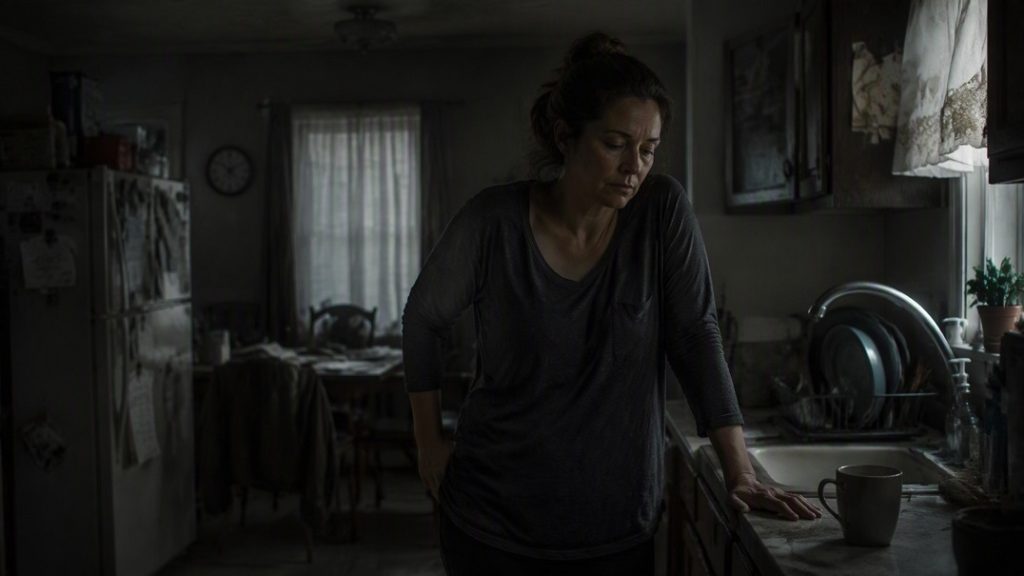
A reader wrote in with a frustration many women in this age group share: “I’m in bed for seven to eight hours most nights. By every measure I’ve read, that should be enough. So why do I wake up feeling like I barely slept at all?”
This is a genuinely common and legitimate complaint, and the honest answer is that time in bed and sleep quality are not the same thing. Here is what could be going on, and what is worth actually checking rather than just pushing through.
Key Takeaways
- Hours in bed does not equal hours of restorative sleep; fragmented or shallow sleep can leave you exhausted even with an adequate total.
- Obstructive sleep apnea becomes significantly more common around perimenopause and menopause, and it is frequently underdiagnosed in women because the symptoms look different than the classic male presentation.
- Hormonal fluctuation itself can fragment sleep architecture in ways that don’t necessarily register as full wake-ups you remember the next morning.
Quantity Is Not the Whole Story
Sleep is not a single, uniform state. It cycles through stages, including deep, slow-wave sleep and REM sleep, that serve different restorative functions. Frequent brief awakenings, even ones too short to consciously remember, can repeatedly interrupt these cycles without ever registering as a memorable disturbance, which means someone can spend eight hours in bed and still wake up feeling like they barely slept, because the sleep itself was fragmented rather than continuous.
Sleep Apnea Is More Common Than Many Women Realize at This Age
This is worth taking seriously rather than dismissing. Research reviewing menopause and sleep-disordered breathing found the severity of sleep apnea increases by roughly 4% for every additional year since entering the menopause transition, and multiple studies estimate the prevalence of obstructive sleep apnea in postmenopausal women increases two to three times compared with premenopausal women.
Why It Gets Missed
Sleep apnea in women often does not look like the loud-snoring, visibly gasping presentation associated with men, which is part of why it goes underdiagnosed. Clinical reporting on this gap notes that women more often report fatigue, headaches, memory and concentration problems, and frequent nighttime urination rather than the symptoms typically associated with sleep apnea, meaning both patients and clinicians may attribute those symptoms to perimenopause itself rather than investigating a treatable sleep-breathing disorder underneath.
Why Perimenopause Raises the Risk
Both estrogen and progesterone appear to play a role in maintaining upper airway muscle tone during sleep, and progesterone specifically has a stimulating effect on breathing drive. As both hormones decline, the airway becomes more prone to the kind of partial or complete collapse that characterizes sleep apnea, on top of any other risk factors like weight changes or fat redistribution that also become more common during this transition.
Hormonal Fluctuation Fragments Sleep on Its Own
Even without sleep apnea, declining and fluctuating estrogen and progesterone directly affect the sleep architecture itself, not just the ability to fall asleep. Progesterone’s calming effect on the brain’s GABA system supports deeper sleep, and its erratic decline during perimenopause is linked to lighter, more easily disrupted sleep, sometimes without producing a memorable awakening at all.

What I’d Suggest to This Reader
Rather than assuming this is simply “part of perimenopause” to manage around indefinitely, a few concrete steps are worth taking. First, ask a partner or use a sleep-tracking device to check for signs of snoring, gasping, or breathing pauses during the night, since these are more reliable indicators than how you feel on waking. Second, bring this specific symptom, adequate hours in bed but persistent unrefreshing sleep, to a doctor directly rather than describing it only as general fatigue, since it points toward a different workup than fatigue alone would. A sleep study, which can often be done at home, is a reasonable and non-invasive next step if sleep apnea is suspected.
| Possible Cause | Distinguishing Clue | Next Step |
|---|---|---|
| Obstructive sleep apnea | Snoring, gasping, frequent nighttime urination, morning headaches | Ask a partner to observe; consider a home sleep study |
| Hormonal sleep fragmentation | Sleep feels lighter, more easily disrupted, without clear cause | Discuss with a doctor; hormone therapy is one option to explore |
| General sleep debt from other causes | Inconsistent bedtimes, screen use, stress | Sleep hygiene changes as a starting point |
What This Looks Like in Practice
If you decide to check for sleep apnea, keeping a brief log for a week or two, noting how rested you feel, any morning headaches, and anything a partner mentions about snoring or breathing pauses, gives a doctor more useful information than a vague description of feeling tired. This is a small effort that can meaningfully speed up getting an accurate diagnosis rather than being told to simply improve your sleep hygiene and see if it helps.
Frequently Asked Questions
Can I Have Sleep Apnea Without Snoring Loudly?
Yes. Women with sleep apnea are less likely to present with the classic loud snoring pattern and more likely to report fatigue, headaches, and concentration problems, which is part of why it is frequently missed in women specifically.
Is a Home Sleep Study as Reliable as an In-Lab Study?
For many people, home sleep apnea testing is a reasonable and accurate first step, though your doctor may recommend an in-lab study in certain circumstances for a more detailed evaluation. Either way, it starts with a conversation with a doctor about your specific symptoms.
If My Sleep Apnea Test Comes Back Normal, What Then?
Hormonal sleep fragmentation from perimenopause itself becomes the more likely explanation, and it is worth discussing management options with a doctor, including sleep hygiene strategies and, for some women, hormone therapy, which has shown benefit for sleep quality in research.
Selected Sources
- Sleep Disturbance in Perimenopausal Women (Chronobiology in Medicine)
- Sleep Apnea in Women Often Missed After Menopause (Medscape)
This article is for general educational purposes and is not a substitute for personalized medical advice. Talk with a qualified healthcare provider about persistent unrefreshing sleep, and mention it as a distinct symptom rather than general fatigue.