
Nootropic is a broad, somewhat trendy label for anything marketed to support brain function, and the category ranges from genuinely well-studied compounds to ingredients riding on little more than an appealing name. For a midlife woman dealing with real, documented brain fog, sorting out which is which matters more than it does for someone experimenting out of curiosity.
This article looks at the ingredients with actual human clinical trial evidence behind them, and is honest about where that evidence is strong, where it is modest, and where it simply has not been studied in this specific population yet.
Key Takeaways
- Citicoline has real randomized controlled trial evidence for memory and attention, including trials in populations similar to midlife women.
- Bacopa monnieri has meta-analysis-level evidence for improving speed of attention, though researchers say larger head-to-head trials are still needed.
- A 2026 clinical review found creatine had some of the strongest evidence specifically for perimenopausal cognitive symptoms, alongside a prescription medication.
- Most nootropic research has been conducted in general adult or older-adult populations, not menopause-specific groups, which is an honest limitation worth keeping in mind.
Citicoline: One of the Better-Studied Options
Citicoline, also called CDP-choline, supplies the brain with choline and cytidine, building blocks involved in maintaining healthy brain cell membranes rather than simply stimulating existing neurotransmitter activity.
What the Trials Actually Found
A randomized, double-blind, placebo-controlled trial in adults aged 50 to 85 with age-associated memory concerns found that 12 weeks of citicoline supplementation significantly improved overall memory performance, particularly episodic memory, compared to placebo. A separate study looking specifically at healthy adult women found improved attentional performance with citicoline supplementation, a population and outcome that lines up reasonably well with the concentration and focus complaints common during perimenopause.
A Reasonable, if Imperfect, Evidence Base
These are real, controlled trials, not just observational associations, which puts citicoline ahead of many nootropic ingredients on the market. The main limitation is that most trials have focused on general aging populations or specific attention and memory complaints, not perimenopausal women as a defined study group.
Bacopa Monnieri: Solid but Not Definitive
Bacopa monnieri has a long history in traditional Ayurvedic medicine, and it has also accumulated a genuine body of modern clinical trial research.
What a Meta-Analysis Found
A meta-analysis of randomized, placebo-controlled human trials found that Bacopa monnieri showed potential to improve cognition, particularly speed of attention, though the researchers were clear that a large, well-designed head-to-head trial against an existing standard is still needed for more definitive conclusions. That is a fair, honest summary: real signal, not yet airtight proof.
Creatine: A Surprising Standout for This Specific Population
Creatine’s reputation is mostly built on muscle research, but a 2026 clinical review focused specifically on treating cognitive symptoms during perimenopause found something worth highlighting directly: creatine and a prescription stimulant medication had the strongest evidence base among the options reviewed for perimenopausal cognitive symptoms specifically, ahead of many more heavily marketed nootropic ingredients. This does not mean other ingredients lack value, but it is a genuinely useful data point when creatine already has a favorable safety profile established in other research on midlife women.
Choline and Dietary Lignans: Smaller, Population-Specific Findings
Research using data from the SWAN study specifically examined diet and cognitive performance in perimenopausal and premenopausal women. It found that dietary lignans, plant compounds found in foods like flaxseed, showed a small but statistically significant benefit for verbal memory in late perimenopause specifically, while another related compound, coumestrol, showed no meaningful association. Choline itself, a precursor to acetylcholine and a component of cell membranes, is regulated in part by estrogen, giving it a biologically plausible role in perimenopausal cognitive changes, even though direct trial evidence in this specific population remains limited.
The Honest Bottom Line
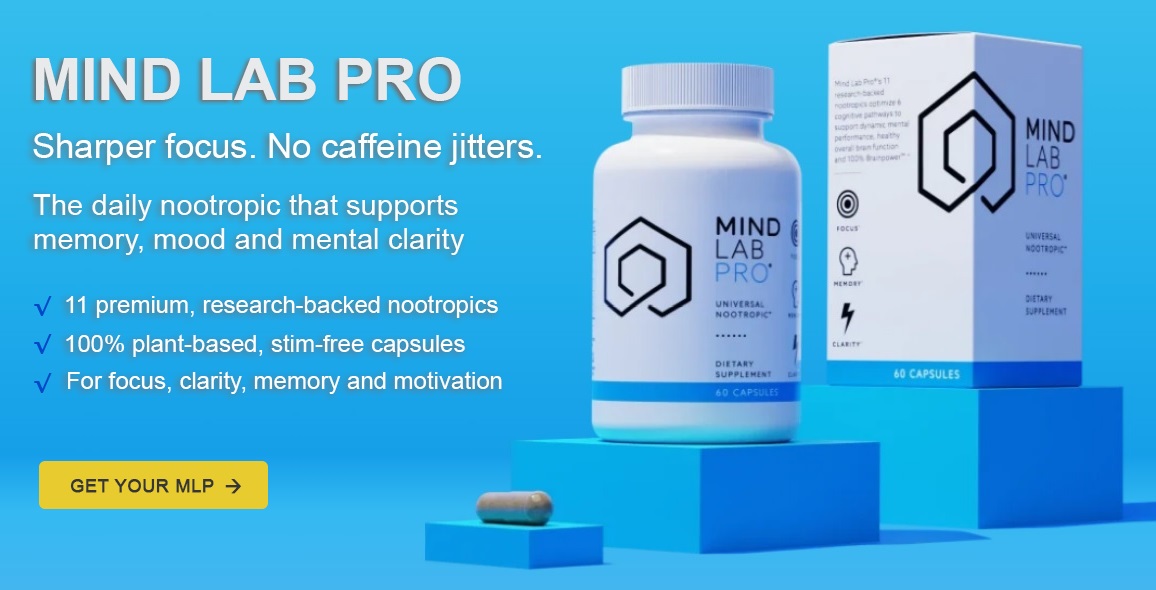
Citicoline and Bacopa monnieri currently have the most direct, controlled human trial evidence among common nootropic ingredients, even though neither has been extensively tested in a menopause-specific population. Creatine stands out as having genuinely strong evidence for perimenopausal cognitive symptoms specifically, according to a recent clinical review. A well-formulated nootropic blend built around these kinds of researched ingredients is a reasonable thing to try, with realistic expectations set by what the underlying trials actually measured, not by marketing claims layered on top of them.
When to Talk to a Doctor
If brain fog is significantly affecting your work or daily functioning, it is worth discussing with a doctor before relying on supplements alone, both to rule out other contributing factors and to talk through whether hormone therapy might be a more directly effective option given your specific situation and timing in the transition.
Frequently Asked Questions
Which Nootropic Has the Best Research Behind It?
Among commonly available options, citicoline has some of the most direct randomized controlled trial evidence for memory and attention, including in populations similar to midlife women. Creatine has notably strong evidence specifically for perimenopausal cognitive symptoms according to a 2026 clinical review.
Is There Research on Nootropics Specifically for Menopause Brain Fog?
Direct, menopause-specific trials are limited for most nootropic ingredients. Most evidence comes from general adult or older-adult populations, with creatine being a notable exception with more targeted evidence for this life stage.
Should I Try a Nootropic Before Talking to a Doctor?
It is reasonable to try well-researched ingredients on your own for mild symptoms, but significant or worsening brain fog is worth discussing with a doctor first, both to rule out other causes and to explore whether other treatment options might be more effective for your specific situation.
Selected Sources
- Citicoline and Memory Function in Healthy Older Adults: A Randomized, Double-Blind, Placebo-Controlled Clinical Trial, National Library of Medicine
- Meta-Analysis of Randomized Controlled Trials on Cognitive Effects of Bacopa Monnieri Extract, National Library of Medicine
- Treatment of Cognitive Symptoms During Perimenopause: A Review, Current Treatment Options in Psychiatry
This article is for general educational purposes and is not a substitute for personalized medical advice. Talk with a qualified healthcare provider about symptoms and treatment options specific to you.