
Eye health supplements cover more ground than a single product usually addresses, general antioxidant support, a specific clinically validated formula for diagnosed macular degeneration, and a separate category aimed at dry eye relief. Understanding which category actually applies to you matters, since the AREDS2 formula in particular is easy to mistake for a general “eye vitamin” when it was designed and tested for a specific diagnosed condition.
Key Takeaways
- Lutein and zeaxanthin are the two carotenoids most consistently linked to eye health, concentrating in the retina and acting as natural filters against light-driven oxidative damage.
- The AREDS2 formula, with its specific high-dose combination including 80 mg of zinc, was studied in and is intended for people with existing intermediate or advanced macular degeneration, not as general prevention for healthy eyes.
- Omega-3 is commonly recommended for dry eyes, but it’s worth knowing that a major clinical trial found no significant advantage over placebo for dry eye symptoms specifically.
- No supplement improves nearsightedness or reduces the need for reading glasses. These formulas address specific oxidative and inflammatory processes, not refractive vision.
What to Look For
Understand What You’re Actually Trying to Address
General antioxidant and carotenoid support, dry eye relief, and macular degeneration management are three different goals with different appropriate supplements, and conflating them leads to either an underdosed general product or an oversized, unnecessary AREDS2-style dose for someone with healthy eyes.
Look for the Actual AREDS2 Doses If That’s Your Goal
If macular degeneration management is genuinely your goal, ideally confirmed by an eye doctor, the specific studied formula matters: 500 mg vitamin C, 400 IU vitamin E, 10 mg lutein, 2 mg zeaxanthin, 80 mg zinc, and 2 mg copper to offset the zinc. Products claiming “AREDS2-based” without matching these amounts aren’t delivering the tested formula.
How the Main Options Compare
| Formula Type | Best For | Evidence |
|---|---|---|
| General lutein/zeaxanthin, moderate dose | Healthy eyes, general antioxidant support, screen exposure | Reasonable observational support, not disease-modifying |
| AREDS2 formula (high-dose zinc, lutein, zeaxanthin) | Diagnosed intermediate or advanced macular degeneration | Strong, reduced progression risk by roughly 25% in the landmark trial |
| Omega-3 (EPA/DHA) | General retinal support; dry eye relief is less certain | Mixed for dry eye specifically; a major trial found no advantage over placebo |
Why AREDS2 Isn’t a General-Purpose Eye Vitamin
This distinction is worth taking seriously rather than treating AREDS2 as simply the “strongest” eye supplement. The American Academy of Ophthalmology has been explicit that this formula has not been shown to prevent macular degeneration in people who don’t already have it, and the high 80 milligram zinc dose can cause gastrointestinal upset and isn’t something to take indefinitely without a reason tied to a diagnosed condition. If your eye doctor hasn’t diagnosed intermediate or advanced AMD, a lower-dose, general lutein and zeaxanthin formula is the more appropriate choice.
Being Honest About Omega-3 for Dry Eyes
Omega-3 gets recommended constantly for dry eye, and it’s worth being straightforward that the evidence here is more mixed than for macular degeneration. A major randomized controlled trial published in the New England Journal of Medicine found no significant advantage of omega-3 supplementation over placebo for dry eye symptoms specifically. It’s reasonable to try, particularly since omega-3 supports broader eye and overall health regardless, but it shouldn’t be oversold as a proven dry eye fix.
Our Recommendation
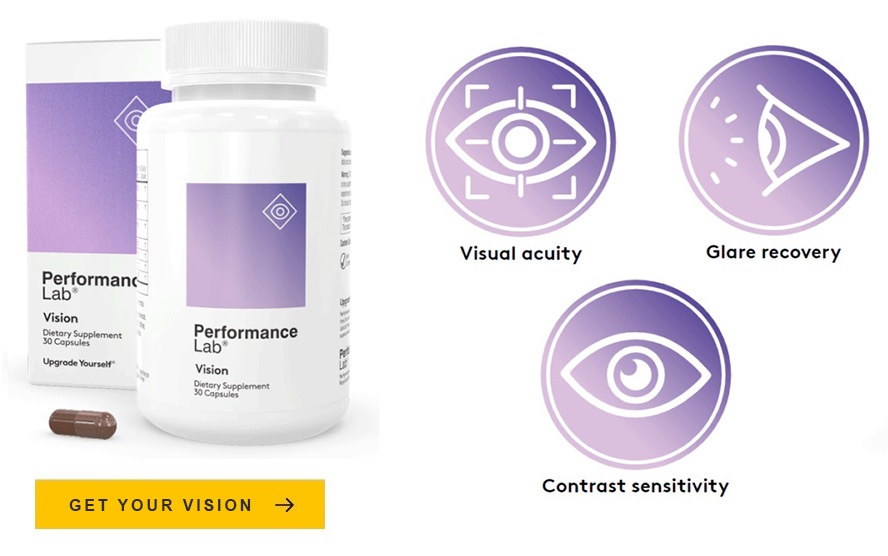
For most readers without a diagnosed eye disease, a general lutein and zeaxanthin formula at doses in line with what research has studied, without the unnecessarily high zinc dose specific to AREDS2, is the more appropriate everyday choice. Performance Lab Vision is the option we point readers toward for this general use case.
When You Might Want Something Different
If an eye doctor has diagnosed you with intermediate or advanced macular degeneration, ask specifically about an AREDS2-formula product, since that’s the version studied and shown to reduce progression risk in that population. And if dry eyes are your primary concern, it’s worth having a direct conversation with an eye doctor about prescription options and other causes, rather than assuming an omega-3 supplement alone will resolve it.
Frequently Asked Questions
Should Everyone Over 40 Take an AREDS2 Supplement?
No. AREDS2 was studied specifically in people with existing intermediate or advanced macular degeneration, and its high zinc dose isn’t appropriate as a general daily supplement for people with healthy eyes. A general lutein and zeaxanthin formula is more appropriate without a diagnosis.
Does Omega-3 Actually Help With Dry Eyes?
The evidence is genuinely mixed. While omega-3 is commonly recommended, a major clinical trial found no significant benefit over placebo for dry eye symptoms specifically. It may still be worth trying, especially for its broader health benefits, but it isn’t a proven, guaranteed fix.
Can Eye Supplements Improve My Vision or Reduce My Need for Reading Glasses?
No. These supplements address oxidative stress and inflammation in specific eye tissues. They don’t correct refractive vision issues like nearsightedness or the presbyopia that leads to needing reading glasses in midlife.
Selected Sources
This article is for general educational purposes and is not a substitute for personalized medical advice. Talk with a qualified healthcare provider about symptoms and treatment options specific to you.