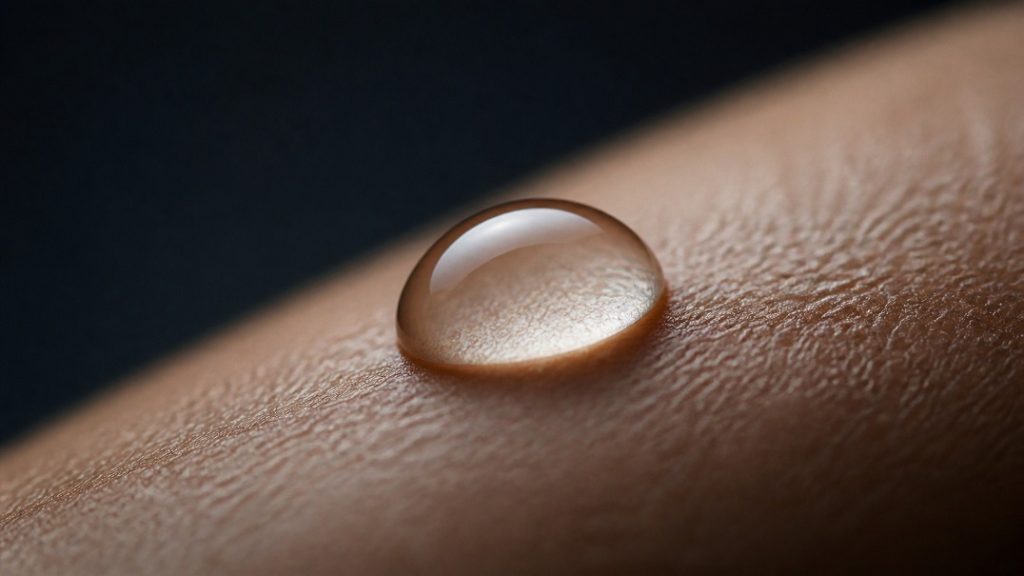
Somewhere in your 40s or early 50s, your skin might start feeling like it belongs to someone else. It is drier than it used to be, maybe a little less bouncy when you press it, and the changes seem to be happening faster than in previous decades. You are not wrong to notice a shift, and you are not wrong to wonder how much of it is menopause and how much is simply time passing.
The honest answer is that both are involved, and they are not always easy to tell apart just by looking in the mirror. Understanding the difference matters because the two processes respond to different interventions.
Key Takeaways
- Intrinsic aging happens everywhere on your body, including sun-protected skin, and progresses gradually from your mid-20s onward regardless of hormones.
- Menopause adds a distinct, faster-moving layer on top of intrinsic aging, driven specifically by the drop in estrogen.
- Photoaging from sun exposure is a third, separate factor, and it is often the most preventable of the three.
- Because these processes overlap, the most effective approach usually addresses more than one at a time.
What Ordinary Aging Looks Like on Skin
Dermatologists generally describe two broad categories of skin aging, and it helps to know both before adding menopause into the picture.
Intrinsic Aging
Intrinsic, or chronological, aging affects the skin of your entire body, including areas that never see the sun, and it happens to everyone regardless of skin type. It is characterized by epidermal thinning, decreased cellular turnover, reduced sebaceous gland activity, diminished elasticity, and fine wrinkling. This process begins quietly in your mid-20s and is largely programmed by genetics rather than lifestyle. There is no single lifestyle choice that stops it, though good sun protection and consistent moisturizing can slow how visible it becomes.
Extrinsic Aging, or Photoaging
Layered on top of intrinsic aging is photoaging, caused by cumulative sun exposure rather than the simple passage of time. Photoaging affects sun-exposed areas and shows up as fine and coarse wrinkling, roughness, dryness, skin laxity, and pigment changes, distinct from the pattern seen in unexposed skin. This is why the skin on your inner arm often looks noticeably different from the skin on your face and hands, even though both belong to the same body at the same age.
What Menopause Adds to the Picture
Menopause introduces a third factor that moves faster than either of the above and has a specific, identifiable cause: the drop in circulating estrogen.

Why Skin Changes Accelerate Around Menopause
Lower estrogen levels lead to lower collagen levels, the protein that helps keep skin plump and firm, and less collagen can leave skin feeling thin and prone to sagging. Because estrogen also affects the sebaceous and sweat glands, skin tends to become noticeably drier around menopause as those glands decline in activity and become less responsive to normal stimulation. This combination, thinner and drier at the same time, is part of why women often describe their skin as changing more abruptly around this transition than in the decade before it.
Sensitivity and Breakouts
Two changes catch many women off guard because they seem to contradict each other. Skin pH shifts and sensitivity tends to increase after age 50, which can worsen existing conditions like eczema or rosacea, while at the same time hormonal changes can increase sebum production and lead to adult acne along the jawline. Both are legitimate hormonal effects, and both can happen in the same person during the same year.
Telling the Layers Apart
In practice, you rarely need to isolate one cause precisely, since the approaches that help overlap considerably. But a rough guide can help set expectations.
| Change | Most Likely Driver | What Tends to Help |
|---|---|---|
| Fine lines on sun-protected areas (inner arm, torso) | Intrinsic aging | Time-limited, retinoids may help |
| Deep wrinkles, brown spots on face and hands | Photoaging | Daily sunscreen, retinoids, largely preventable |
| Sudden dryness, thinning, loss of plumpness | Menopause-related estrogen decline | Moisturizers, topical or systemic estrogen, nutrition |
| New sensitivity or adult jawline acne | Menopause-related hormonal shift | Gentle, fragrance-free products; dermatologist input |
What Actually Helps
Daily sunscreen remains the single most evidence-backed step for slowing the photoaging layer specifically, since it addresses ongoing damage rather than trying to reverse existing changes. For the menopause-driven layer, a fragrance-free moisturizer and, where appropriate, a conversation with a doctor about topical or systemic estrogen therapy address the hormonal piece more directly than skincare alone.
Nutrition supports the raw materials your skin needs regardless of which layer is driving a given change. A well-formulated multivitamin can help ensure adequate vitamin C, zinc, and other nutrients involved in normal skin repair and collagen synthesis, though it works as a supporting foundation rather than a targeted fix for any one of these three processes.
Frequently Asked Questions
Why Does My Skin Feel Like It Changed Overnight?
Many women describe menopausal skin changes as sudden rather than gradual, and there is a biological reason for that. Estrogen decline affects collagen production and gland activity relatively quickly once it begins, layering on top of the slower changes from ordinary intrinsic aging.
Can Sunscreen Undo Existing Sun Damage?
Not fully, but consistent daily use prevents further photoaging and gives your skin the best chance to repair itself over time. It is the single most preventable factor among the three processes discussed here.
Should I See a Dermatologist for Menopausal Skin Changes?
If dryness, sensitivity, or breakouts are significantly affecting your comfort or confidence, yes. A dermatologist can distinguish between ordinary aging, photoaging, and hormonal changes, and can discuss options like topical estrogen that go beyond over-the-counter products.
Selected Sources
- DermNet: Skin Ageing
- Breastcancer.org: Menopause and Skin Changes
- Journal of the American Academy of Dermatology: Aging and Photoaging
This article is for general educational purposes and is not a substitute for personalized medical advice. Talk with a qualified healthcare provider about symptoms and treatment options specific to you.